Are Prefab and Modular Homes the Same Thing?
No. Modular homes meet local building codes like site-built houses. Prefab is a broader term covering manufactured and mobile homes too.
Free to compare
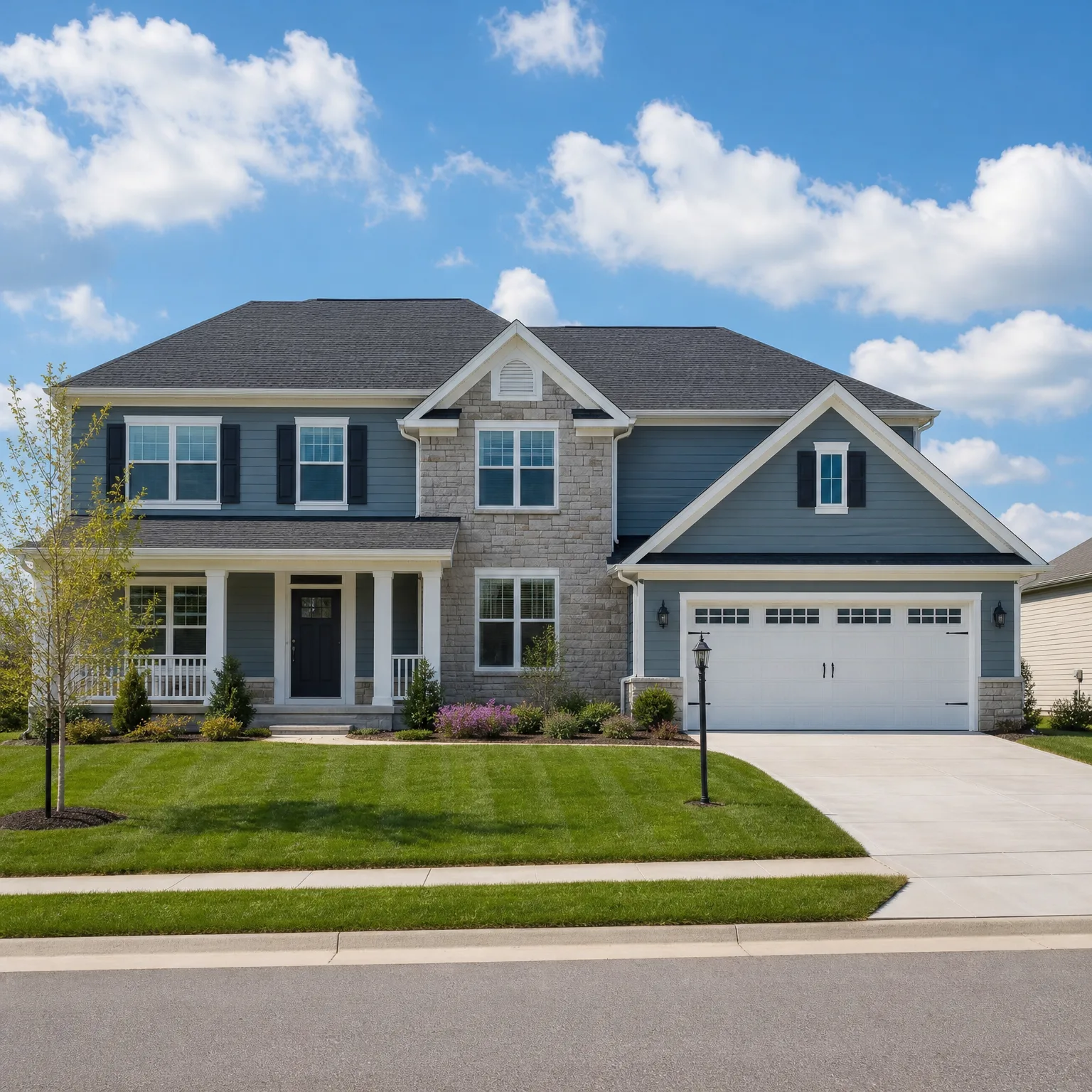
Why it matters for insurance is how your home gets classified on the policy. Modular homes are built in a factory but installed on a permanent foundation and insured like a standard site-built house, since local code treats them the same way. Mobile and manufactured homes, especially older ones built before 1976 on a chassis, usually need a specific manufactured home policy instead. Check your home's title and your declarations page to see which category it's actually in, since that decision shapes what's covered and what an insurer will quote.

Pricing follows that classification, so it's worth checking rather than assuming. A modular home quoted as a standard site-built house and a mobile home quoted on a manufactured home policy can land far apart on price. They also differ in what gets paid out after wind or storm damage. If your home has been priced under the wrong category, a quote will show where you actually stand.
How does the home's age and setup affect what it costs to insure
A manufactured home built before June 1976 was constructed before HUD set a federal building code for these homes, and insurers treat that line seriously. Homes built after that date meet the HUD code, which covers wind resistance, structural design and fire safety, and insurers see them as a more predictable risk. If your home predates the code, expect fewer insurers willing to write it and higher pricing from the ones that will. Some insurers set a cutoff age beyond which they won't offer a policy at all, so an older home may need a company that specializes in manufactured housing.
Tie-downs and skirting matter because they affect how the home performs in wind, and insurers ask about them. A home properly anchored to its foundation with straps or ties rated for the local wind zone is less likely to shift or overturn in a storm, and that lowers the insurer's risk. Skirting, the material enclosing the space under the home, protects the underbelly and plumbing from weather and pests. An insurer may ask whether your anchoring meets the standard for your state or wind zone, and some require proof before binding coverage. If you don't know what's installed, the home's original installation paperwork or a park manager can usually confirm it.
How the home is titled changes what kind of policy applies and sometimes whether you can get a mortgage at all. A home still titled as a vehicle, the way it left the factory, is treated differently than one that's been converted to real property, which usually means the title was retired and the home is now taxed and recorded like real estate. Converting to real property often opens up more insurance options and can make the home eligible for a standard mortgage instead of personal property financing. Your state's motor vehicle or housing agency handles that conversion, and it's worth checking your current title status before assuming you know which category you're in.
If the home sits in a park, the park may set its own insurance requirements on top of what your state or lender requires, such as minimum liability coverage or proof of windstorm coverage in hurricane-prone areas. Those terms are usually spelled out in the lot lease agreement, not the insurance policy itself, so it's worth reading that document alongside your declarations page. Wind and storm damage on manufactured homes is often handled through a named-storm or wind/hail deductible rather than a flat dollar amount, meaning the deductible is a percentage of the dwelling coverage rather than a fixed figure. That can add up to more out of pocket than a standard homeowners deductible, so it's worth checking how your specific policy structures that before a storm, not after.
What does a manufactured home policy actually cover
A manufactured home policy follows the same basic shape as a standard homeowners policy. It pays to rebuild or repair the home itself, covers your belongings inside it, and includes liability protection if someone gets hurt on your property. The difference is in how the dwelling is valued and what triggers a denial. Insurers price the home based on its make, model, year and square footage rather than a local builder's cost estimate, since there's no site-built comparison to draw from.
Replacement cost and actual cash value matter more here than on a typical home. Replacement cost pays to replace the home with one of similar kind and quality, with no deduction for age or wear. Actual cash value pays replacement cost minus depreciation, and on an older manufactured home that can mean a payout far below what a new unit costs. Many insurers only offer actual cash value once a home passes a certain age, so two homes of different ages on the same lot can carry very different payout terms. Your declarations page states which one applies to your policy, and it's worth confirming rather than assuming.
Transport and setup are usually excluded once the home is in place. If you're moving the home to a new location, check whether your policy covers it in transit, since many manufactured home policies only cover the home once it's anchored and skirted at a fixed address. Damage from the move itself, or from improper setup afterward, often falls outside the policy and may need separate coverage from the transport company or installer.
Attached structures and site features need their own line in many cases. A carport, deck, or shed built after the home was placed may not be included automatically in the base coverage amount. Insurers often ask about these additions separately, and some require that you report them before coverage starts so the dwelling limit reflects what's actually on the lot. If you've added anything to the property since buying the home, checking that it's named in your policy is worth doing before you need to file a claim, not after.


Before you request a quote
Check your title status and the year your home was built. Those two facts decide which category you're quoted under, and getting them right from the start keeps the number accurate.