Mobile vs Manufactured vs Modular Homes
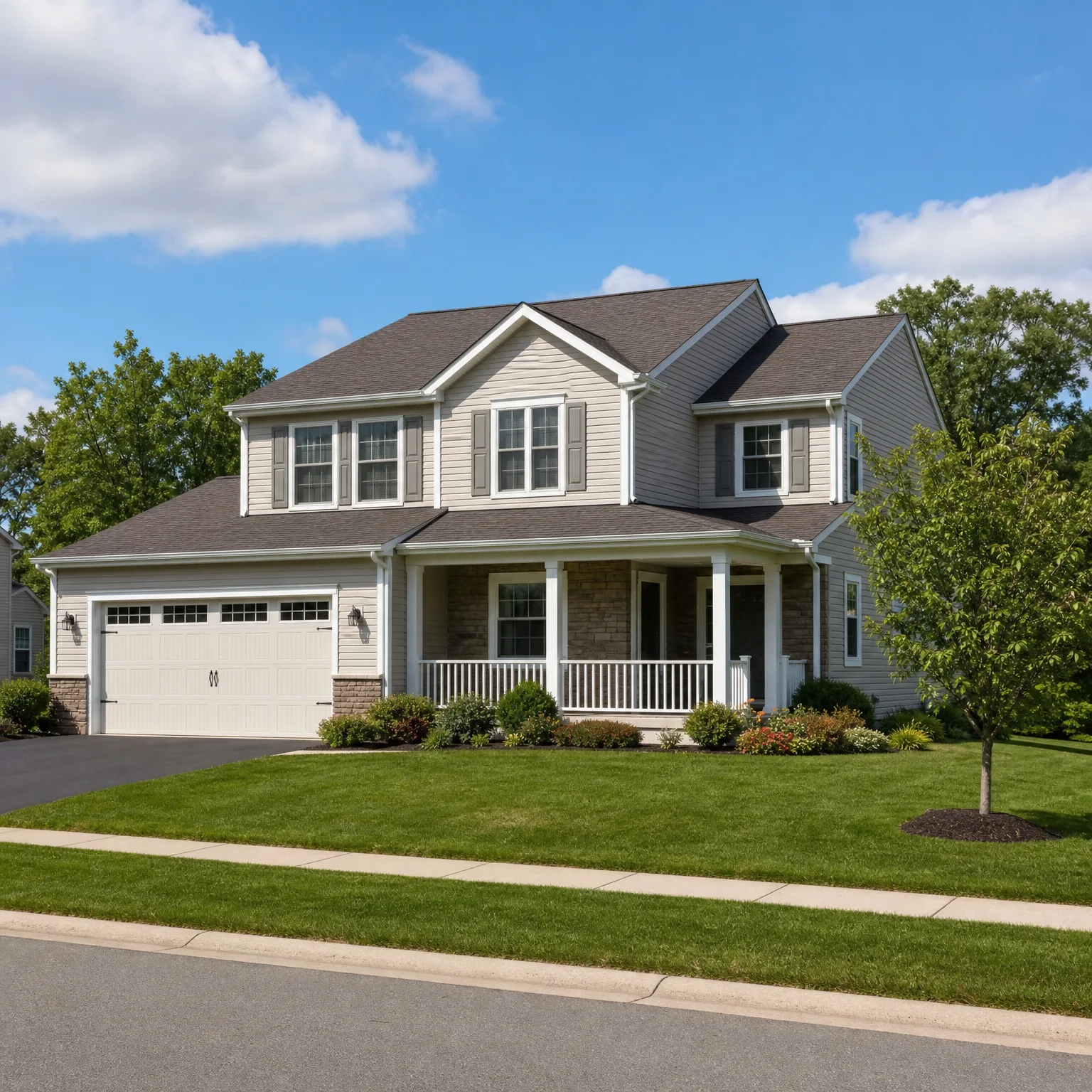
Mobile homes predate 1976 federal codes. Manufactured homes meet those codes, while modular homes follow local building codes like site-built houses.
Free to compare

How the home is titled changes what kind of policy fits. Homes titled as personal property, common for pre-1976 mobile homes, usually need a specialized mobile home policy rather than standard homeowners coverage. Homes converted to real property on a permanent foundation may qualify for broader coverage closer to a standard policy. Age matters too. Some insurers set a cutoff that puts older mobile homes out of reach or raises the price. Tie-downs and skirting can affect wind coverage when they meet local anchoring standards. The title and declarations page show what actually applies.
Not every insurer prices these the same way
How a mobile or manufactured home is titled, anchored and aged changes the price from one insurer to the next. Comparing quotes shows whether a different policy fits the home better and costs less.
What a mobile home policy actually pays for
A mobile home policy works like a standard homeowners policy in structure. It pays to repair or rebuild the home up to the coverage amount on the declarations page, covers belongings inside, and includes liability if someone is hurt on the property. The difference is how the home is classified and what that does to the value used to set the payout. Some policies pay actual cash value, the replacement cost minus depreciation for age and wear. Others pay replacement cost, what it takes to put up a comparable home today. An older mobile home is more likely to land on an actual cash value policy, and that matters after a total loss since depreciation on a 30-year-old home can be steep.
Wind and storm damage is where coverage gets specific to this type of home. Because mobile and manufactured homes sit on frames rather than a poured foundation in most cases, insurers look closely at how the home is anchored. Tie-downs rated for local wind speeds and skirting installed to code can be the difference between a wind endorsement being offered and the insurer excluding wind damage outright. In coastal and tornado-prone states, some insurers require a recent anchoring inspection before writing the policy. If the home was moved or re-anchored since it was last inspected, the insurer will want that documented.
Parks add their own layer on top of what the insurer requires. Most parks ask for a minimum amount of liability coverage before they'll let a resident move in, often matching what the park's own insurance requires from residents. Some parks also want the park itself or the management company named on the policy, which the agent can add as an interested party. None of this replaces the home's own coverage. It sits alongside it, and the lease agreement usually states the minimums directly, so that document is worth checking before assuming a policy quote meets the requirement.
Finding coverage for an older mobile home, particularly one titled as personal property and built before 1976, usually means looking past the large national insurers and toward companies that specialize in manufactured housing. These insurers set their underwriting rules around age, titling and anchoring rather than treating the home as an exception to a standard product. A home that gets declined or quoted high by one insurer may be priced normally by one built for this market. Rates also vary by how the home is used. A park model or seasonal home is underwritten differently from a year-round primary residence, and that distinction belongs in the application, not discovered later at claim time.
What to ask before assuming a quote is final
A quote that seems high for a mobile or manufactured home often reflects one insurer's underwriting rules, not the actual risk. Some companies don't write older homes or homes titled as personal property, and they price that reluctance into the quote rather than decline outright. That number is not a verdict on the home. It is one insurer's answer, and a specialist in manufactured housing may read the same home differently.
The home's setup can change the quote more than its age does. An insurer deciding between offering wind coverage and excluding it is often looking at whether the tie-downs match local wind speed requirements and whether skirting is installed to code. Age alone doesn't settle it. A 1998 home with outdated anchoring can quote worse than a 1985 home that was re-anchored last year. Any recent work on tie-downs, skirting, or a foundation conversion is worth mentioning when getting quotes, since it may not show up unless asked about directly.
Park requirements and the insurer's requirements don't always line up, and it helps to check both before treating a quote as sufficient. The lease agreement states the park's minimum liability coverage and whether the park or management company needs to be named on the policy. A quote that meets a standard homeowners liability limit might still fall short of what a specific park requires. It might also include coverage the park never asked for. Reading the lease language alongside the quote avoids a mismatch that only surfaces when the park asks for proof of coverage.
How the home is used also belongs in the conversation with any insurer being compared. A year-round primary residence, a seasonal park model, and a home used for occasional rental are underwritten differently, and a quote based on the wrong use can look better than it should. Getting a few quotes that are each built around how the home is actually titled, anchored and used gives a clearer sense of what coverage should cost. Relying on one insurer's first answer doesn't.

Before you compare quotes
Pull the title and the declarations page, and check the lease for the park's minimum liability and any naming requirement. Note recent tie-down or skirting work. That's what changes one insurer's answer from another's.