Is Vacant Mobile Home Insurance More Expensive?
Yes, usually. A vacant mobile home carries more risk of damage going unnoticed, so insurers charge more or limit coverage.
Free to compare
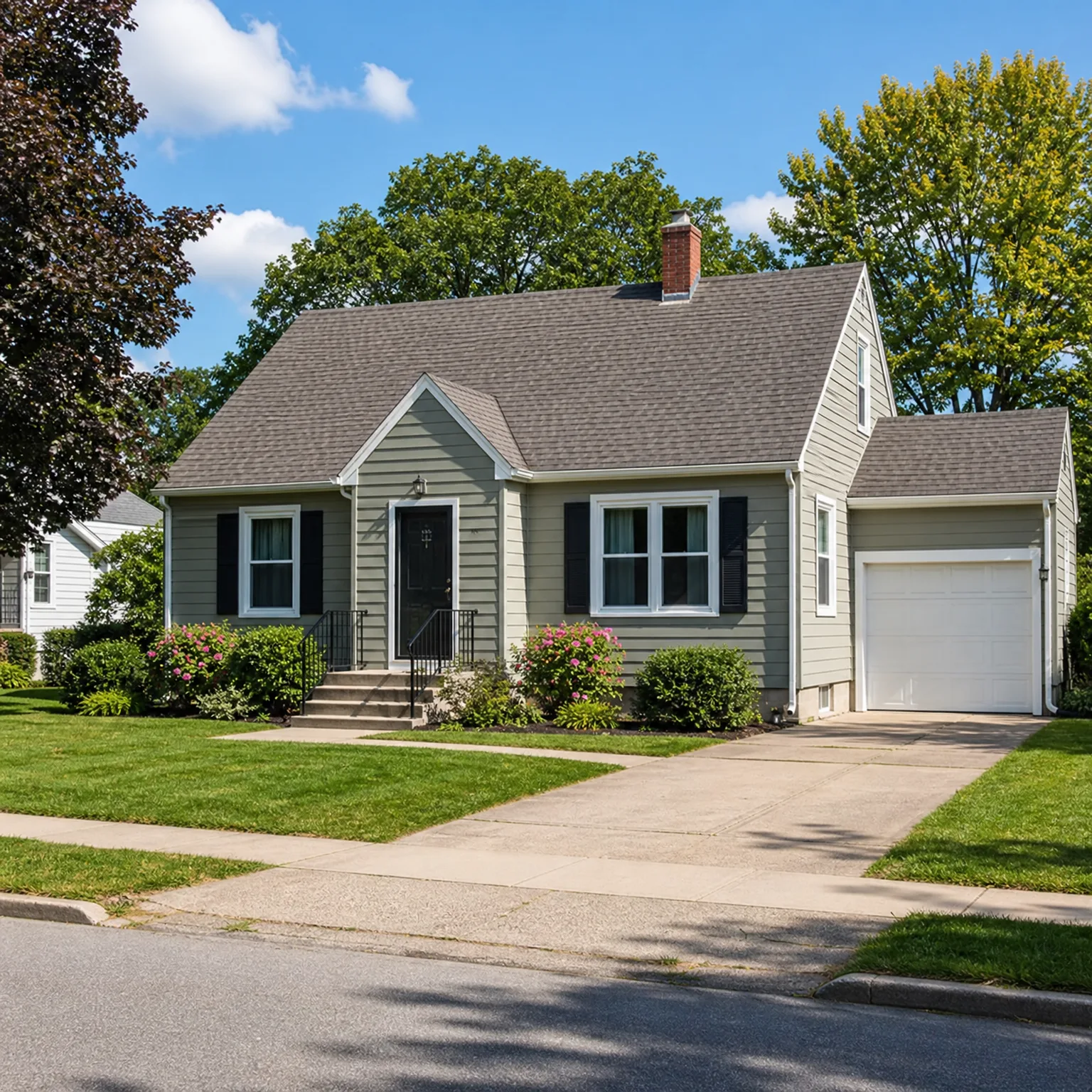
An empty mobile home carries more risk because nobody is there to catch a leak, a break-in, or storm damage early. Insurers price for that. Some won't write vacant mobile home policies at all. Others add a surcharge or stop covering things like vandalism and theft once the home has sat empty past a set number of days, often 30 or 60. If you're between tenants or the home is a second property, ask how your insurer defines vacancy and check your policy for what changes once that point hits.

Vacant mobile home coverage varies more between insurers than occupied coverage does, since each one sets its own vacancy rules and surcharges. One insurer might add a modest fee after 30 days empty, another might drop theft and vandalism coverage entirely, and some won't insure a vacant mobile home at all. Checking what's actually available for your situation is the only way to know if you're paying more than you need to.
What counts as vacant, and how do insurers find out?
Most insurers define vacant as no one living in the home and little or no furniture inside, not just a home sitting empty for a weekend. A home between tenants with furniture still in it may count as unoccupied instead of vacant, which usually keeps more coverage in place. The line between the two matters for your premium and your claims, so the wording in your policy, not your own sense of the situation, is what decides which rules apply.
Insurers find out a home is vacant more often than people expect. A claim is the usual trigger. If a pipe bursts or a storm causes damage, an adjuster who visits the home will notice if there's no furniture, no utilities running, or mail piling up, and that can change how the claim is handled even if the policy was written as occupied. Neighbors mentioning it to an agent, or a park manager flagging it, are less common but it happens. Insuring the home honestly as vacant from the start avoids a denied claim later over a detail that was going to surface anyway.
If the home is going to sit empty for a while, a few things keep the risk down and sometimes keep the cost down too. Keeping the utilities on, or at least the water shut off properly so pipes don't freeze or leak unnoticed, matters a lot for a mobile home since plumbing issues are a common cause of claims. Having someone check on the home every week or two, even just to walk through, is something some insurers ask about directly when they write vacant coverage. Keeping the skirting and tie-downs in good shape still matters when the home is empty, since wind damage doesn't wait for someone to move back in.
A separate vacant home policy, written specifically for the period the home sits empty, is worth asking about if the usual insurer won't extend coverage past a set number of days. These are built for exactly this situation and sometimes cost less than a surcharge tacked onto a standard policy, though they often cover less too, so reading what's included for theft, vandalism, and liability matters before switching.

How long can a mobile home sit vacant before coverage changes?
There's no single number that applies everywhere. Each insurer sets its own clock, and 30 or 60 days empty is common before vacancy rules kick in, but some start sooner and some give longer. The number that matters is whatever your policy states, not what sounds standard, so it's worth finding that line in your declarations page or asking directly rather than assuming.
Once that point passes, coverage usually narrows instead of disappearing outright. Fire and windstorm damage often stay covered, since those happen whether or not anyone is inside. Theft and vandalism are the two most likely to be reduced or dropped, since an insurer reasons that an occupied home deters both and an empty one doesn't. Liability coverage, for something like a visitor getting hurt on the property, can also change, which matters if the home is in a park where people walk past it regularly.
If the home is going to be empty longer than the vacancy window allows, some insurers let you extend coverage by endorsement rather than losing it outright. This usually costs more than the base policy and sometimes requires proof that someone is checking on the home periodically. It's worth asking about this before the vacancy clock runs out rather than after, since some insurers won't add the endorsement retroactively once the home has already crossed into vacant status under their definition.
Selling the home or renting it out changes the picture entirely, and it's worth telling the insurer either way. A home listed for sale but still vacant may need vacant coverage in the meantime, and once it sells, the policy ends with the sale rather than running past it. A home that gets a tenant moves out of vacant status and probably needs a different kind of policy altogether, one built around renting rather than owning and living in the home. Either way, the standard owner-occupied mobile home policy was not written for either situation, and using it anyway is how coverage gaps happen.

Before you call it vacant
Check your declarations page for how your insurer defines vacancy and how many days it allows before coverage narrows. If the home will sit empty past that point, ask about an extension now, not after the clock runs out.